What to do with large floral tributes after EC2 funerals
Posted on 01/06/2026
Large funeral flowers can be deeply comforting on the day, but once the service is over, many families are left with a surprisingly practical question: what happens next? If you are deciding what to do with large floral tributes after EC2 funerals, you are not alone. In the City and nearby London areas, families often need a calm, respectful plan for wreaths, sprays, letter tributes, casket sprays and sympathy flowers that are too big to simply take home in one go.
This guide walks through the most sensible options, what to do first, what to avoid, and how to handle the flowers in a way that feels dignified rather than rushed. We will also look at how tribute size, flower type, timing and venue rules can change your decision. No fuss, no jargon. Just practical advice you can use straight away.
Why What to do with large floral tributes after EC2 funerals Matters
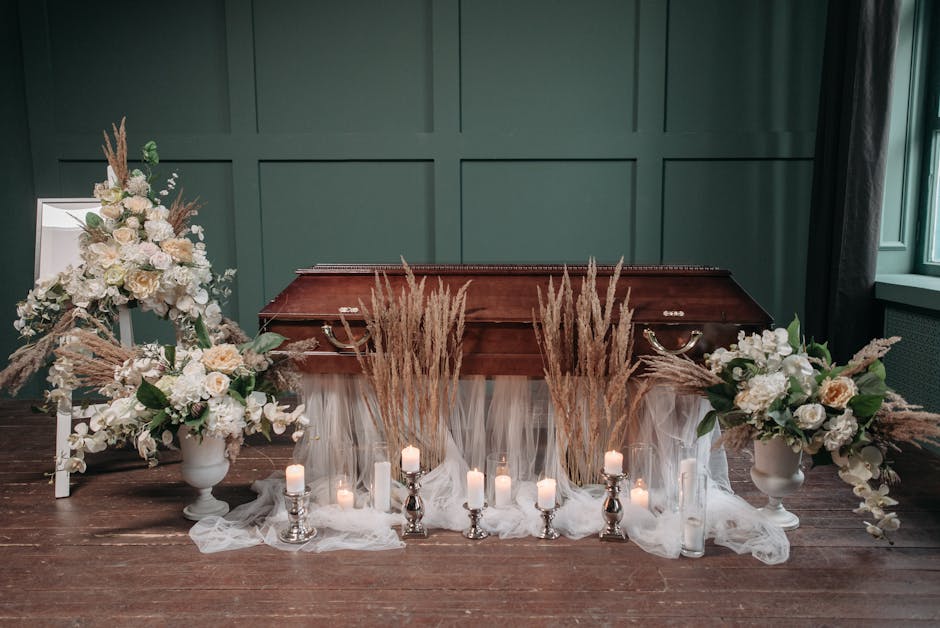
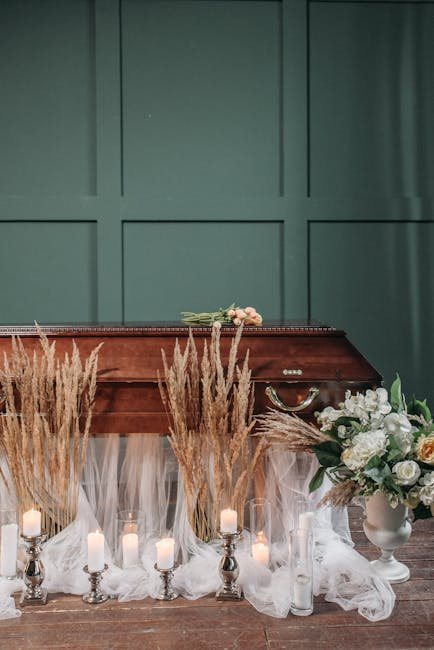
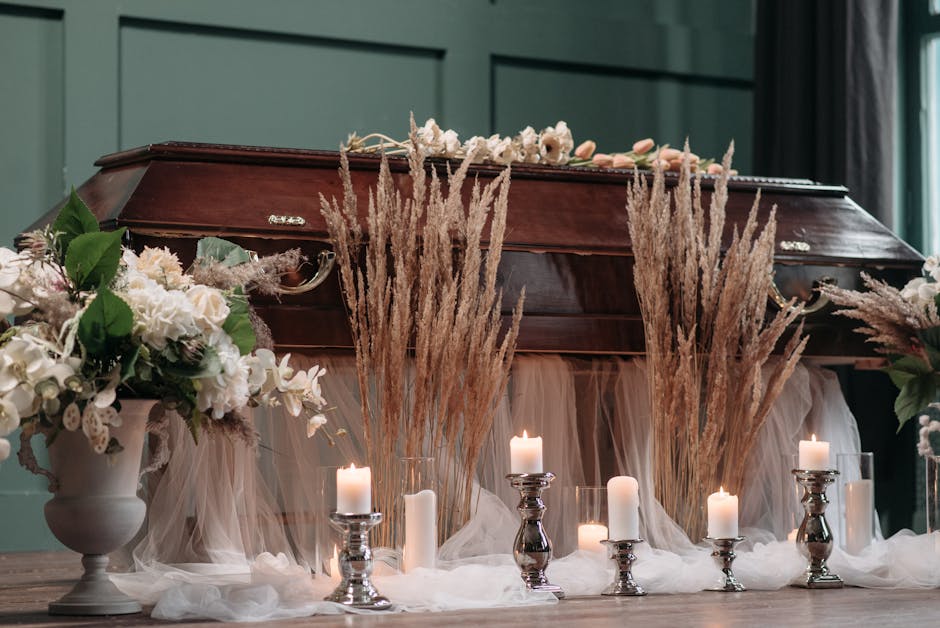
Funeral flowers do more than decorate a service. They carry messages, honour relationships and, in many cases, act as one of the last visible expressions of love and respect. Large tributes such as wreaths, sprays, cushions, hearts, crosses and letter tributes often form part of the visual centre of the day. After the service, though, they can become a logistical challenge very quickly.
That is especially true for EC2 funerals, where the service may take place in a church, funeral chapel, crematorium or private venue in a busy central London setting. Space is tighter, travel is less convenient, and there is often a need to coordinate with family, funeral directors and venue staff with limited time. A good plan avoids awkward last-minute decisions and helps everyone leave with a clearer sense of closure.
There is also a more emotional side to it. Some families want to keep tribute flowers as a memory. Others prefer to share them, repurpose them or let them go with the least possible waste. There is no single right answer. The right answer is the one that fits the family's wishes, the size of the tribute and the practical realities of the day.
In our experience, the families who feel most settled afterwards are usually the ones who decide in advance what will happen to each arrangement. It sounds small. It really isn't.
How What to do with large floral tributes after EC2 funerals Works
Most large funeral tributes are designed to be seen, placed and later moved. They are not usually meant to stay in one place indefinitely. Once the service ends, the flowers are usually sorted into a few broad categories: keep, share, repurpose, donate or dispose.
The exact process depends on the type of tribute. A compact posy or basket arrangement is easier to take home than a large heart or letter tribute. A casket spray may need to stay with the funeral director until the end of the burial or cremation, while wreaths and sprays can often be split among family members. Tributes made with sturdy blooms such as roses or chrysanthemums generally hold up better than very delicate mixed seasonal flowers.
Some families ask the funeral director or venue team to place flowers in water, separate them by household, or hold them briefly until transport is available. Others choose to arrange collection for later the same day. If you are ordering in advance, it helps to think ahead about transport, packaging and who is actually taking flowers home. A large tribute is lovely. Trying to fit one into a small car boot after an emotional day, less so.
For EC2 and central London services, timing can matter. Traffic, loading restrictions and short parking windows all make it wise to have a plan before the service starts. If flowers are being sent on in advance or urgently replaced, same-day delivery can sometimes be useful for support arrangements or follow-on gifts, though funeral tribute planning should still be arranged early whenever possible.
Key Benefits and Practical Advantages
Thinking ahead about large funeral flowers may not feel like the most urgent task during grief, but it brings real benefits. The biggest one is calm. When everyone knows what will happen, there is less friction on a day that already carries enough emotional weight.
- Less waste: Large tributes can be redistributed or repurposed instead of being left to wilt unnecessarily.
- More meaningful keepsakes: Families can choose which flowers, cards or tribute forms they want to keep.
- Smoother logistics: No one is left guessing who is taking home which arrangement.
- Better use of flowers: Sturdy blooms can be enjoyed for longer in the home.
- Respectful closure: The flowers continue to serve a purpose after the service, which many people find comforting.
There is a practical advantage too: larger tributes often contain a mix of materials, so sorting them out after the event can be easier if someone has already decided on the next step. For example, a family might keep the main wreath, share roses among close relatives and place remaining stems in vases at home. Simple, but effective.
Expert summary: The best outcome is rarely the most dramatic one. It is the one that balances sentiment, transport, flower longevity and the wishes of the closest family members.
Who This Is For and When It Makes Sense
This guide is for anyone involved in arranging or attending an EC2 funeral where large floral tributes are part of the service. That includes immediate family, executors, close friends, funeral directors, workplace colleagues, clergy, venue staff and anyone coordinating after-service logistics.
It is especially useful if you are dealing with:
- large wreaths or tribute letters
- casket sprays and coffin tops
- family arrangements with several households involved
- floral displays that need transporting across London
- a desire to reuse flowers at a wake, memorial lunch or home gathering
It also makes sense if you are ordering flowers now and want to avoid problems later. That is where a sensible choice from the start helps a lot. A family wanting a classic memorial look might prefer a tribute from the tributes range, while those seeking something more traditional may look at wreaths or a carefully selected spray. Each style creates different options afterwards.
To be fair, the question is often not "What should we do?" but "What will be realistic for us on the day?" That is a very different thing.
Step-by-Step Guidance
Here is a straightforward way to handle large floral tributes after the service. Keep it simple, and do not try to solve everything in the car park.
-
Confirm the family's preference early.
Before the funeral, ask whether the main tributes should be kept together, shared out, donated, photographed, or left with the venue for final disposal. If the person being honoured had a clear preference, follow that if possible.
-
Identify which tributes are most important to keep intact.
Letter tributes, personal message pieces and named arrangements often matter most emotionally. Family members may want to keep these whole, while other sprays can be divided. A large personalised tribute can be especially meaningful.
-
Arrange transport before the service ends.
Large arrangements need space. A wreath is manageable; an oversized heart or floral name panel is another story. Make sure there is a vehicle with a flat boot or back seat area, plus boxes or towels to stop flowers moving around.
-
Ask for water and packaging if needed.
If the flowers will travel for more than a short distance, ask for stems to be wrapped or placed in water containers. This is particularly helpful for summer services or longer journeys across London.
-
Split the flowers by intended use.
Some can go home to family members. Some may be used at the wake. Some may be taken to a grave or memorial site later. If there are strong stems and fresh blooms, a few simple vases can stretch the value of the tribute quite a bit.
-
Repurpose thoughtfully.
Remove any non-floral inserts, card holders or wires first. Then rearrange remaining flowers into smaller containers. Roses, lilies and alstroemeria are often good for this, while more fragile blooms may need quicker handling.
-
Dispose of what cannot be reused respectfully.
Once flowers are beyond saving, dispose of them in line with the venue's waste guidance. If any tribute elements are recyclable or reusable, separate them before binning the rest.
A small note from real life: the best-laid plan can change once emotions are involved. That is normal. Leave a bit of breathing room in the plan so nobody feels rushed.
Expert Tips for Better Results
If you want the flowers to last longer and feel less chaotic afterwards, a few practical habits make a real difference.
- Choose sturdier flowers for larger tributes. Roses, chrysanthemums and carnations tend to travel better than very delicate stems. If long handling time is expected, this matters more than people realise.
- Keep the biggest tribute closest to water. If there is a main casket spray or centrepiece, keep it in the coolest, most stable place available until collection.
- Bring scissors and simple wrap. Nothing fancy. Just enough to trim stems and bundle sections without making a mess.
- Take a photo before anything is moved. The arrangement is often part of the memory, and once it is separated, you will not reconstruct it exactly. Funny how that works.
- Plan by household, not by flower type alone. If three families are involved, dividing by relationship can feel fairer than dividing by size.
- Ask the funeral director what can be stored briefly. A short holding period can make collection much easier if traffic or parking is tight.
If you are selecting flowers ahead of time and want arrangements that are easier to handle later, browse the wider funerals range or compare styles in sympathy flowers. That can save a surprising amount of stress later on. Not glamorous, but useful.
Common Mistakes to Avoid
Most problems after a funeral are not dramatic. They are small, avoidable oversights that happen because everyone is tired.
- Leaving collection undecided. If nobody owns the next step, the flowers often end up in a corner while people hesitate.
- Assuming every tribute can travel easily. Large floral names, cross tributes and hearts need more space than people expect.
- Forgetting the weather. A warm afternoon in central London can shorten the life of a tribute more quickly than you would think.
- Mixing keepsakes and waste too soon. Once cards, ribbons and tribute picks are removed, there is no going back.
- Not checking venue guidance. Some spaces have strict rules about collection times and access points. Better to ask first.
- Trying to keep everything. Sometimes the kindest decision is to keep what matters most and let the rest go.
One of the most common slip-ups is overcomplicating the handover. It is easy to do. The room is quiet, emotions are high, and everybody wants to be helpful. Then ten minutes disappear. A short plan written on a phone note can save a lot of that.
Tools, Resources and Recommendations
You do not need specialist equipment, but a few simple items help a lot when you are moving or reshaping large tributes:
- flat trays or boxes for transport
- clean towels or paper to protect car interiors
- sharp scissors or floral snips
- vases or buckets with water
- labels or sticky notes for family names
- bin bags for packaging, plastic sleeves and non-floral elements
If you are ordering funeral flowers in advance, it helps to use a florist who offers clear service information. EC2 Flowers provides helpful pages on delivery, flower care, guarantees and returns and refunds, which are all useful when you want to understand what to expect before the day arrives.
If the order is being placed on behalf of a business, charity or organisation, the corporate accounts information may also be relevant. For many office teams sending condolence flowers together, that extra structure is handy.
Law, Compliance, Standards, or Best Practice
There is no single universal rule for what families must do with funeral flowers after a service, but there are sensible UK best practices worth following. The key things are consent, venue respect and waste handling.
First, if flowers are going home with family members, check that everyone involved is happy with the split. That may sound obvious, but grief can make even simple decisions feel loaded. Second, follow any crematorium, church, cemetery or venue guidance on collection times, access routes and disposal. Third, keep public areas clear. In busy places around EC2, that matters for safety and for basic courtesy to other funeral parties.
For waste, use the venue's local guidance where available. If flowers cannot be reused, they should be disposed of responsibly, with recyclable materials separated where practical. EC2 Flowers also publishes a sustainability page, which is useful context if you want to think about the environmental side of floral waste and packaging.
It is also good practice to keep cards, ribbons and printed names for memory before anything gets thrown away. They may seem small on the day, but they often matter a great deal a week later.
Options, Methods, or Comparison Table
Different flowers suit different endings. Some are best kept whole, some shared, and some repurposed into smaller arrangements. Here is a simple comparison to help you decide.
| Option | Best for | Pros | Possible downsides |
|---|---|---|---|
| Keep the tribute intact | Letter tributes, hearts, crosses, highly personal designs | Preserves the original message and presentation | Needs space and careful transport |
| Split among family members | Wreaths, sprays, mixed tribute arrangements | Shares the memory fairly; flowers can be enjoyed in several homes | Can be time-consuming if no one has prepared containers |
| Repurpose into smaller vases | Fresh blooms with sturdy stems | Extends the life of the flowers; works well after a wake | Requires a little sorting and trimming |
| Donate or leave with the venue | Flowers in good condition that the family does not want to keep | Simple, respectful and low-effort | Not always possible depending on venue policy |
| Dispose responsibly | Wilted, damaged or tightly wired arrangements | Clear, practical and avoids clutter | Can feel final, so some families prefer to delay until later |
If you are comparing tribute styles ahead of time, the letter tributes and baskets and posies categories can be easier to manage afterwards than very large bespoke shapes. That does not mean they are better, just easier in a practical sense.
Case Study or Real-World Example
Here is a simple real-world scenario. A family in EC2 arranged a service with one large casket spray, two matching wreaths and a personalised tribute in the deceased's name. After the ceremony, everyone was emotional, and nobody wanted to make decisions on the spot.
Before the service, they had already agreed that the casket spray would go to the spouse, one wreath would be shared between siblings, and the name tribute would go to the eldest grandchild to keep at home for a week before being moved to the final resting place. The funeral director placed the flowers in a cool holding area while the family had a short private gathering nearby. Very simple. But it worked.
Because the arrangements had sturdy blooms and were handled carefully, most of the flowers were still in good condition by the evening. A few stems were trimmed and placed into smaller vases. The family said later that having a plan made the day feel less chaotic, even though it was still painful. That is usually the aim, really. Not to remove grief. Just to remove avoidable stress.
Practical Checklist
Use this checklist before and after the funeral if large floral tributes are involved.
- Decide in advance who is taking each major tribute home.
- Confirm whether any arrangements should stay whole.
- Ask the venue or funeral director about collection timing.
- Arrange transport with enough flat space.
- Have water, boxes or wraps ready for longer journeys.
- Remove cards, ribbons and tribute inserts before dividing flowers.
- Keep the freshest and most meaningful blooms for later use.
- Use small vases or buckets for split arrangements.
- Dispose of non-reusable packaging and wilted flowers responsibly.
- Save photographs of the tribute before it is broken down.
If you are still at the planning stage, it may help to review tribute options alongside supportive pages such as about us and contact us so you know what support is available. Small details can make the whole process feel more manageable.
Get a free quote today and see how much you can save.
Conclusion
There is no perfect formula for what to do with large floral tributes after EC2 funerals, and that is perfectly alright. Some flowers will stay intact, some will be shared, and some will naturally come to the end of their life. What matters most is that the decision feels respectful, practical and true to the person being remembered.
If you plan ahead, the flowers can continue to comfort people long after the service has ended. A wreath in one home, a few roses in another, a framed card tucked safely away somewhere quiet. Those small details often become the memories people keep. And, to be honest, that is why the effort is worth it.
Take your time, keep the plan simple, and let the flowers do what they were meant to do: carry love a little further than the ceremony itself.
Frequently Asked Questions
What is the best thing to do with large funeral flowers after the service?
The best option is usually to decide in advance whether the tributes will be kept, shared, repurposed or disposed of. Larger items such as wreaths and sprays can often be split among family members or arranged into smaller vases.
Can you take large floral tributes home after an EC2 funeral?
Yes, you usually can, provided there is enough transport space and the venue allows collection. It helps to ask the funeral director or venue staff where the flowers will be stored and when they can be collected.
How long do funeral flowers last after the service?
That depends on the flower types, the weather and how carefully they are handled. Sturdier flowers like roses and chrysanthemums tend to last longer than more delicate blooms, especially if they are placed in water fairly quickly.
What if we do not have enough cars or space for the tributes?
If transport is limited, ask whether the venue can hold the flowers briefly while a second trip is arranged. Another option is to divide the arrangements so different family members each take one part home.
Is it disrespectful to throw away funeral flowers?
No, not if the flowers are wilted, damaged or no longer needed. The respectful part is making the decision carefully and, where possible, recycling or disposing of them responsibly rather than treating them as ordinary waste.
Should we keep the card names and ribbons from the tributes?
Absolutely, if you can. Those small labels and messages are often the most personal part and are easy to lose once flowers are separated. It is one of those tiny jobs that matters later, not always in the moment.
Can large tribute flowers be reused at a wake or memorial lunch?
Yes. Many families move flowers to a wake, restaurant or home gathering after the service. This is especially practical for larger arrangements that would otherwise be left in one place.
Which funeral flower styles are easiest to handle afterwards?
Wreaths, baskets and posies are generally easier to transport and divide than very large shaped tributes. If ease of handling is a priority, looking at baskets and posies or more compact sympathy arrangements can be a sensible choice.
Do we need to ask permission before moving flowers from the venue?
Yes, it is best to check with the funeral director or venue team. Some places have specific collection times or access rules, especially in busy areas around EC2.
What flowers are better if we know the tributes will travel a long distance?
More robust flowers such as roses, carnations and chrysanthemums are usually a safer choice for travel. They generally cope better with being moved and re-set than very delicate stems.
Can funeral flowers be donated or left for others to use?
Sometimes, yes, if the venue permits it and the flowers are still in good condition. Some families prefer to leave them with a church, crematorium or care setting so they can be enjoyed a little longer.
Should we plan what happens to the flowers before the funeral?
Yes. A short plan made in advance saves stress later. Even a basic decision about who takes which arrangement can make a surprisingly big difference on the day.
Where can I find help with ordering funeral flowers in the first place?
You can browse the dedicated funerals and sympathy sections to compare tribute styles, and check practical details like delivery and flower care before placing an order.
What should we do if we are feeling overwhelmed and cannot decide on the day?
That is very common. If you cannot decide straight away, ask the funeral director to hold the flowers briefly and make a single family contact the point of decision. Sometimes a short pause is the best decision of all.