Wedding florists for Barbican Centre events EC2
Posted on 19/10/2026
Wedding florists for Barbican Centre events EC2: a practical guide to elegant city wedding flowers
Planning wedding flowers for the Barbican Centre can feel exciting and slightly high-stakes at the same time. The venue has that unmistakable London character: modern, architectural, polished, and just a little dramatic in the best possible way. So when people search for Wedding florists for Barbican Centre events EC2, they are usually after more than a bouquet. They want flowers that sit comfortably in a design-led space, arrive on time, look beautiful in photographs, and hold together through the whole day without fuss.
This guide walks you through how to choose the right florist, what to expect for a Barbican wedding, and how to avoid the usual last-minute headaches. You will also find practical tips on flower styles, timing, budgeting, and venue-friendly planning. Truth be told, the best wedding florals are rarely the flashiest ones; they are the ones that look effortless because every detail was thought through properly.
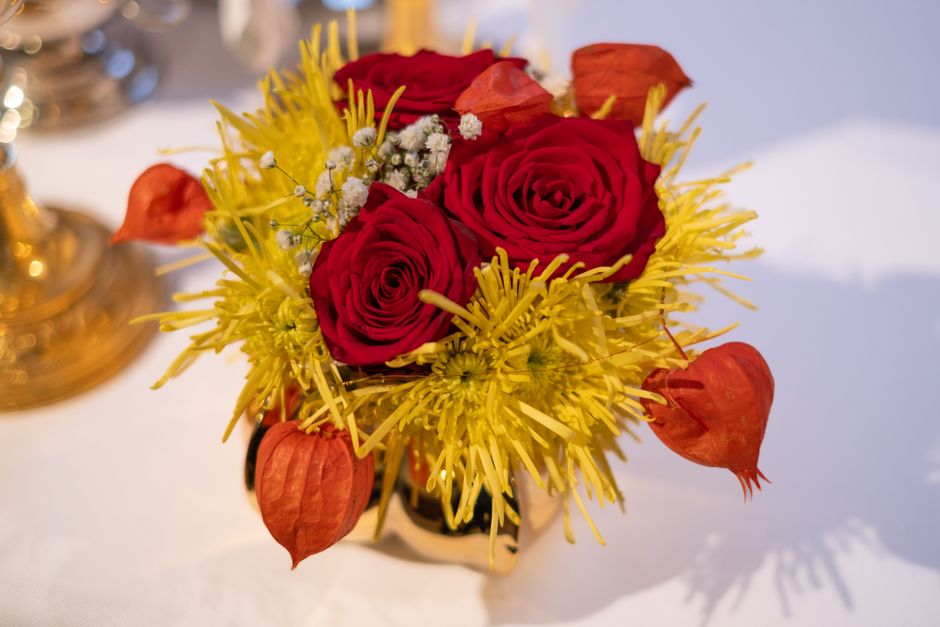
Table of Contents
- Why Wedding florists for Barbican Centre events EC2 Matters
- How Wedding florists for Barbican Centre events EC2 Works
- Key Benefits and Practical Advantages
- Who This Is For and When It Makes Sense
- Step-by-Step Guidance
- Expert Tips for Better Results
- Common Mistakes to Avoid
- Tools, Resources and Recommendations
- Law, Compliance, Standards, or Best Practice
- Options, Methods, or Comparison Table
- Case Study or Real-World Example
- Practical Checklist
- Conclusion
- Frequently Asked Questions
Why Wedding florists for Barbican Centre events EC2 Matters
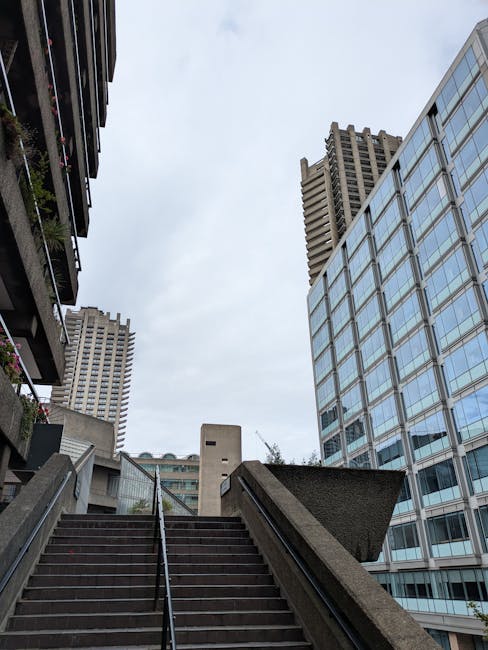
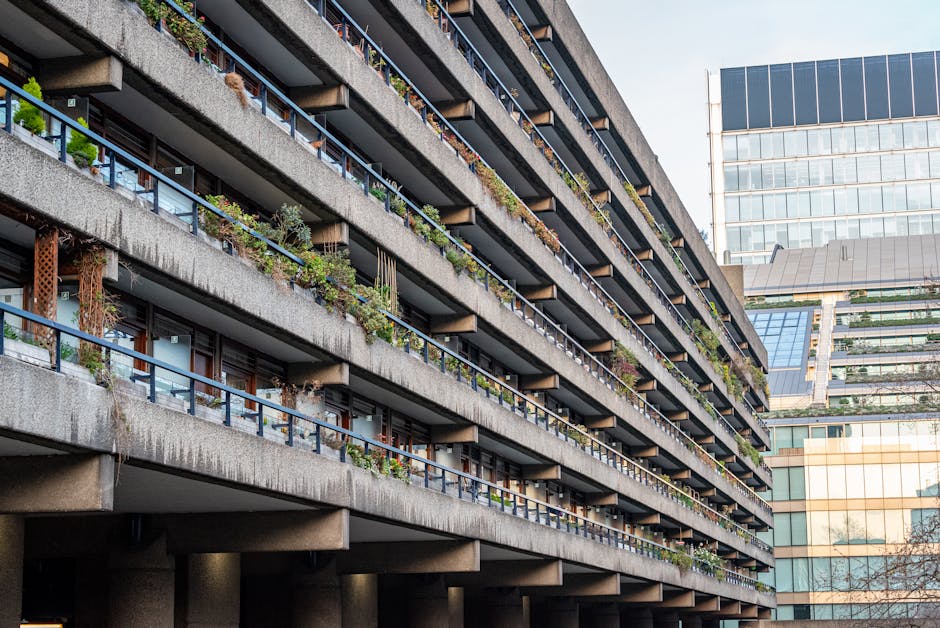
The Barbican Centre is not a generic blank-canvas venue. It has strong lines, textured surfaces, and a very clear identity. That matters, because wedding flowers that work in a country barn or a hotel ballroom do not always translate well into an urban arts venue. You need floral design that respects the architecture rather than fighting it.
For weddings in EC2, the florist is doing more than arranging stems. They are helping to shape the visual mood of the day. In a space like the Barbican, the flowers may need to soften concrete, frame entrances, define ceremony areas, or add warmth to reception tables without blocking sightlines. If the venue feels cool and contemporary, florals often become the emotional layer. The bit that says: yes, this is still a wedding, and a lovely one at that.
That is why choosing wedding florists for Barbican Centre events EC2 is not just about taste. It is about fit. A florist who understands scale, logistics, and venue restrictions can make the difference between flowers that look "nice" and flowers that feel fully integrated into the event.
Expert summary: The right florist for the Barbican should understand the venue's architecture, your wedding style, and the practical realities of London event delivery. Beautiful flowers matter, but so does reliable execution.
How Wedding florists for Barbican Centre events EC2 Works
In practice, the process starts with a brief. You share your date, guest count, colour palette, ceremony and reception spaces, and the kind of atmosphere you want. Some couples arrive with a clear visual plan; others just know they want something elegant, seasonal, and not too fussy. Both are fine. Really.
A good florist then works backwards from the venue. They will consider where guests enter, where the ceremony takes place, how long flowers need to look fresh, and which arrangements need to be moved between spaces. At a venue like the Barbican, that moving part matters more than people expect. A ceremony installation that looks perfect at 3pm also has to survive transport to the reception area without looking tired by 7pm.
Most wedding florists will propose a mixture of:
- bridal bouquet and bridesmaid bouquets
- buttonholes and corsages
- ceremony arrangements or focal pieces
- table flowers and centrepieces
- feature designs for entrances, stairways, or photo moments
For a Barbican wedding, the florist may also recommend cleaner shapes, considered colour blocks, and flowers that hold structure well under indoor lighting. That does not mean everything has to be minimal. It just means every stem should earn its place.
If you are still refining the overall wedding style, browsing a curated range like wedding flowers and collections can help you see how different design directions feel in real life, rather than only on a mood board.
Key Benefits and Practical Advantages
Working with the right florist for a Barbican Centre wedding brings more than pretty flowers. The real value is calm. And calm, on a wedding day, is worth a lot.
Here are the biggest benefits:
- Design that suits the venue - The Barbican has a distinctive look, so florals need to complement the setting rather than clash with it.
- Better guest experience - Thoughtful flowers can guide guests visually through the venue and make each space feel more welcoming.
- Stronger photography - Florals add texture, colour, and depth in photographs, especially in modern interiors where clean lines can feel stark.
- Smoother logistics - An experienced florist understands delivery timing, setup, and repositioning between spaces.
- Less stress on the day - Someone who knows how weddings actually run is less likely to create avoidable chaos. And let's face it, weddings have enough of that already.
There is also a practical benefit that people sometimes overlook: coordinated flowers make the event feel more finished. Even simple arrangements can elevate a room if the colour choice, scale, and placement are handled well.
For couples who want a broader range of styles, it can be helpful to look at the wider selection in all flowers or explore luxury flowers if the wedding brief is more statement-led. Seasonal inspiration can also come from collections like summer flowers, autumn flowers, or white flowers for a classic, architectural feel.
Who This Is For and When It Makes Sense
This kind of floristry is a strong fit for couples who want their flowers to feel carefully tailored to a venue rather than chosen from a standard package. It is especially sensible if you are planning a ceremony and reception at the Barbican, or if your day includes more than one room and you need flowers to travel well between them.
It also makes sense if you care about the design details. Maybe you want the bouquet to echo your dress, the table flowers to complement your linens, or the ceremony arrangement to frame the couple without blocking anyone's view. Those are exactly the kind of decisions a good florist can help with.
In our experience, this service is particularly valuable for:
- couples hosting a modern city wedding
- people who want polished, low-drama planning
- brides and grooms looking for coherent colour and texture across the day
- event organisers handling family input, venue rules, and a fairly tight schedule
- anyone who wants the flowers to do quiet work in the background while still looking special
If you are choosing wedding flowers for a venue like this, you are probably not looking for something overblown. You want something intentional. Maybe a bit refined, maybe romantic, maybe modern. Often, the best result is somewhere in between.
Step-by-Step Guidance
If you are planning Barbican wedding flowers from scratch, the easiest route is to break the process into manageable steps. It saves time, and it stops the design from drifting into "nice idea" territory without becoming a real plan.
- Define the wedding style
Start with the feel you want: modern, classic, romantic, colourful, soft, or dramatic. Do not begin with flower names if you can help it. Start with mood. - Match the venue spaces
Look at ceremony, entrance, reception, and table areas separately. A bouquet idea may work beautifully, but the scale of the room can change everything. - Choose a colour direction
A strong palette makes everything easier. For Barbican events, neutral tones, whites, blush, deep reds, greens, and sculptural mixes often work well, though there is plenty of room for something brighter if that suits you. - Select focal flowers and support flowers
Your focal flowers do the visual heavy lifting. Support flowers and foliage fill the shape and add texture. A good florist balances both. - Decide what needs to travel
If an arrangement starts at the ceremony and ends at the reception, the florist should plan for transfer. That needs practical handling, not a vague hand-wave. - Review the proposal against budget
Ask what is included, what is reusable, and which pieces are the biggest cost drivers. Large installations, premium blooms, and long transport windows can all affect the total. - Confirm delivery and setup details
Check access times, loading arrangements, breakdown responsibilities, and point-of-contact details. Small details. Big difference.
When people rush this stage, they often end up with floral choices that are beautiful in isolation but a little off once they are in the Barbican itself. The room matters. A lot.
Expert Tips for Better Results
A few practical refinements can make wedding flowers look noticeably more polished. None of these are flashy. They just work.
- Think in clusters, not just bouquets - Repeating a few well-chosen flowers throughout the wedding creates a calmer visual story.
- Use scale with purpose - Large arrangements work well in bigger spaces, but smaller, well-placed designs can look more elegant than overstuffed ones.
- Keep sightlines open - Especially for dining tables and ceremony seating. Guests want to see each other, not peer around a hedge of blooms.
- Choose hardy flowers where the day is long - Some flowers handle transport and indoor warmth better than others. Ask your florist what will stay fresh across the full schedule.
- Ask for a sample mood direction - Not necessarily a full trial, but a visual reference can reduce misunderstandings.
- Let the venue do some of the work - At the Barbican, the architecture already brings character. You do not need to compete with it.
One small tip that saves real stress: keep a photo of your dress, suits, and venue reference images together in one place. The florist can then see the whole picture instead of trying to imagine it from fragments sent over email at 11:48pm. That happens more often than anyone admits.
If you like a more classic wedding look, explore white-led designs such as wedding bridal bouquets, wedding bridesmaid bouquets, wedding buttonholes, and wedding table arrangements. Those categories are useful because they map cleanly onto the actual parts of a wedding day, not just the pretty bits.
Common Mistakes to Avoid
Most wedding flower mistakes are not dramatic. They are small planning issues that snowball. The good news is that they are very avoidable.
- Choosing flowers before deciding the style - This is backwards. Style first, stems second.
- Ignoring venue scale - What looks full in a shop can disappear in a large space, or feel overpowering in a smaller one.
- Forgetting transport and setup time - Flowers do not magically appear in the right place. Someone has to move them carefully, and that takes coordination.
- Not checking what happens after the ceremony - Can the arrangements be repurposed? Can they move to the dining area? If not, you may be paying for designs that only work for an hour or two.
- Overloading the brief - Too many colours, too many styles, too many reference images. It can muddy the result.
- Leaving booking too late - Good florists, especially for popular London venues, can get busy. Late booking narrows your options.
There is also a subtle one: trying to match every flower to every outfit. It sounds sensible, but it can become fiddly fast. Better to build a coherent palette and let the details breathe.
Tools, Resources and Recommendations
You do not need a mountain of software or complicated planning tools to organise wedding flowers well. What you do need is a simple way to keep decisions visible.
Helpful planning resources include:
- A shared mood board - Keep colours, dress photos, venue shots, and bouquet inspiration in one place.
- A guest-and-table plan - Useful for deciding how many centrepieces you need and where statement flowers should go.
- A supplier timeline - Track booking dates, final design approval, delivery windows, and setup timing.
- A flower preference list - Note flowers you love, flowers you dislike, and any strong scents you want to avoid.
On the product side, browsing related collections can help narrow the style quickly. For example, roses, lilies, and white roses wedding arrangement can point towards a more refined palette, while purple and white roses wedding arrangement or rose, orchid and lisianthus centrepiece suggest a richer, more layered look.
For a fuller wedding set, options such as The Perfect Match wedding collection, White Wonders wedding collection, or Royal Essence wedding collection can be a useful starting point if you want a coordinated look across bouquets, buttonholes, and table flowers.
Law, Compliance, Standards, or Best Practice
Wedding floristry is not heavily regulated in the way some trades are, but there are still important standards and sensible practices to follow. For an event at a London venue such as the Barbican, the practical side matters as much as the creative side.
Here is what to keep in mind:
- Venue rules come first - Always check access times, load-in instructions, fire safety restrictions, and any rules on fixing items to walls, floors, or furniture.
- Public safety matters - Arrangements should be stable and placed so they do not create trip hazards or obstruct walkways.
- Waste and take-down planning - Clarify who removes packaging, water, broken stems, and event waste after setup or breakdown.
- Allergy awareness - Strongly scented flowers can be a problem for some guests. It is worth mentioning sensitivities early.
- Consumer clarity - Confirm what is included in the quote, what happens if flowers need to be substituted, and what the cancellation or refund position is if plans change.
Good best practice is mostly common sense, but it should still be written down. Clear notes, clear timings, clear responsibilities. That simple. In our experience, the nicest wedding days are usually the ones where everyone knew their job and no one had to improvise under pressure.
You may also want to review practical service information such as delivery, returns and refund, guarantees, and terms and conditions before finalising a booking. That kind of admin is not glamorous, but it keeps everyone protected.
Options, Methods, or Comparison Table
Not every Barbican wedding needs the same floral approach. The right method depends on the room, the budget, and how much visual impact you want. Here is a simple comparison to help you think it through.
| Approach | Best for | Strengths | Things to watch |
|---|---|---|---|
| Minimal and architectural | Modern ceremonies, smaller guest counts, design-led couples | Clean, elegant, venue-friendly, easier to place | Can feel too sparse if the room is large or lighting is cold |
| Romantic and layered | Classic wedding styling, softer colour palettes | Warm, full, photogenic, emotionally rich | Needs careful scale control so it does not overwhelm the Barbican's lines |
| Bold colour story | Couples who want a memorable statement | High impact, expressive, very personal | Requires disciplined colour matching and a confident florist |
| Seasonal mixed florals | People who want flexibility and natural texture | Varied, fresh, often good value for the look achieved | Needs a florist with a strong eye so it does not become visually busy |
For many Barbican weddings, the best solution is a hybrid: a clean overall structure with a few richer details in the bouquet, centrepieces, or feature pieces. That gives you elegance without losing personality. Nice balance, really.
Case Study or Real-World Example
Imagine a couple planning an early evening wedding at the Barbican. They want the day to feel contemporary, warm, and polished, but not stiff. The bride loves whites and soft blush tones; the groom prefers something understated rather than heavily decorative.
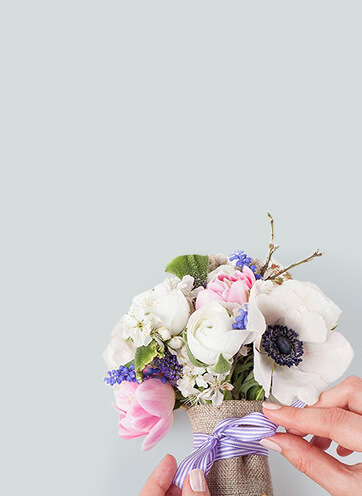
The florist suggests a structured bridal bouquet with roses, lisianthus, and delicate foliage, plus matching bridesmaid bouquets in a lighter scale. For the ceremony, a pair of taller arrangements frames the couple and adds presence without blocking the view. On the dining tables, the florist uses low arrangements so guests can speak easily across the table without peering through flowers like they are in a hedge maze.
The result is simple in the best way. The flowers soften the venue's stronger architectural lines and carry through the whole event without feeling repetitive. They are visible in photographs, but they do not take over. Later in the evening, when the light is lower and the room feels more intimate, the flowers still look fresh and intentional.
That kind of outcome is what people usually want, even if they do not say it exactly like that. They want beauty that behaves itself.
Practical Checklist
Use this checklist before you confirm your florist and final design.
- Have you confirmed the Barbican event date and venue access times?
- Do you know which spaces need flowers: ceremony, reception, tables, entrance, or all of them?
- Have you chosen a colour direction and overall mood?
- Do you have clear notes on flowers you love and flowers you want to avoid?
- Has the florist explained delivery, setup, and any breakdown arrangements?
- Have you checked whether the flowers can be reused between parts of the day?
- Do you understand the quote, including substitutions and timing?
- Have you considered guest comfort, scent, and table sightlines?
- Do you know who the venue contact is on the day?
- Have you kept a copy of the final plan somewhere easy to access?
If you can answer yes to most of these, you are in good shape. If not, no panic. Better to catch it now than when the van is already parked outside.
Get a free quote today and see how much you can save.
Conclusion
Choosing wedding florists for Barbican Centre events EC2 is really about finding a balance between creativity and practicality. The venue rewards considered design, but it also asks for careful planning. The best florist for the job will understand both sides of that equation.
When you get it right, the flowers do more than decorate. They support the atmosphere, guide the eye, and make the day feel cohesive from start to finish. A bouquet in the morning, a ceremony space that feels warm and framed, a reception room that still looks good when the music starts up later on - that is the sweet spot.
Take your time, trust the brief, and choose someone who listens properly. It makes all the difference, honestly. And once the flowers are in place, you get to enjoy the part everyone actually remembers: the feeling of the day itself.
Frequently Asked Questions
What makes wedding florists for Barbican Centre events EC2 different from a regular wedding florist?
The main difference is venue awareness. A Barbican wedding florist needs to understand modern architecture, room scale, access logistics, and how to make flowers work in a design-led space without overwhelming it.
How far in advance should I book a florist for a Barbican wedding?
As early as you reasonably can. Popular florists can book up well ahead of peak wedding dates, and early planning gives you more flexibility on design, flowers, and coordination with the venue.
What flowers usually suit Barbican Centre weddings best?
There is no single right answer, but many couples choose structured roses, lisianthus, orchids, lilies, and balanced foliage because they work well with the venue's clean lines. Seasonal flowers can also be beautiful if they are styled carefully.
Can the same arrangements be used for the ceremony and reception?
Often, yes. This is a smart way to make the most of your budget, provided the florist plans for moving the flowers safely and the timing works with the venue schedule.
How do I keep wedding flowers from looking too formal or too stiff?
Ask for a softer mix of textures, a more natural bouquet shape, or a slightly relaxed table design. Even in a formal venue, flowers can feel warm and personal if they are not too rigid.
Are white wedding flowers a good choice for the Barbican?
Yes, absolutely. White flowers often suit the Barbican very well because they look clean, elegant, and modern against stronger architectural surfaces. They also photograph beautifully.
What should I ask a florist before booking?
Ask about venue experience, delivery timing, setup and breakdown, flower substitution policy, what is included in the quote, and whether arrangements can be reused between different parts of the day.
Do I need a full floral installation for a Barbican wedding?
Not necessarily. Some couples only need bouquets, buttonholes, and a few table arrangements. Others want a larger feature piece for the ceremony or entrance. It depends on your style and budget.
How can I make my flower budget go further?
Focus on the most visible areas first, use flowers in more than one location where possible, and choose a palette that allows the florist to work with seasonal availability. Simple, well-placed flowers often go further than overcomplicated designs.
What if I am not sure what style I want yet?
That is very common. Start with a mood: elegant, romantic, modern, soft, bold, or minimal. From there, a good florist can help you narrow down colours and flower types without forcing you into a rigid package.
Should I consider scent when choosing flowers for a wedding venue?
Yes. Some flowers have stronger perfume than others, and that can matter in enclosed indoor spaces. If guests are sensitive to scent, mention it early so the florist can adjust the selection.
What is the best next step if I am planning Barbican wedding flowers now?
Gather your venue details, colour ideas, guest count, and any inspiration images, then speak to a florist who understands London wedding logistics. A clear starting brief usually leads to a much smoother design process.