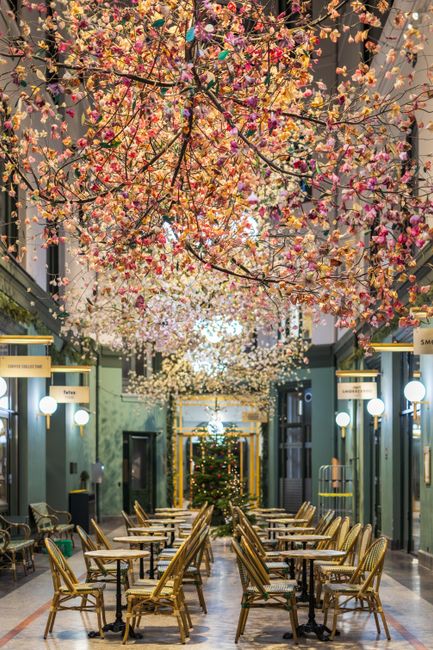
Permits for Broadgate flower installations in EC2
Posted on 25/09/2026
Permits for Broadgate flower installations in EC2: a practical guide for planning, approval and smooth delivery
If you are arranging Permits for Broadgate flower installations in EC2, you are probably juggling more than flowers. There is timing, access, building rules, security checks, and the simple fact that Broadgate is a busy, high-profile part of the City. One tiny delay can throw off a whole display. One missed approval can turn a lovely installation into a very expensive headache. Truth be told, that is the part people underestimate.
This guide breaks the process down in plain English. You will learn why permits matter, how approvals typically work, what documents and checks are usually needed, where projects tend to slip up, and how to plan installations that look polished on the day and stay compliant. If you are coordinating a corporate lobby feature, a seasonal floral display, or a branded installation in EC2, this is the kind of preparation that saves time, money, and a fair bit of stress.
For readers who also need flowers arranged and delivered with care, it can help to understand the wider service picture too. You may want to look at our approach and background, review the practical details on delivery arrangements, or see how we think about sustainable floral choices when planning installations and repeat displays.

Table of Contents
- Why permits matter in Broadgate
- How the permit process works
- Key benefits and practical advantages
- Who needs this and when it makes sense
- Step-by-step guidance
- Expert tips for smoother approval
- Common mistakes to avoid
- Tools, resources and recommendations
- Law, compliance, standards and best practice
- Options, methods and comparison table
- Case study or real-world example
- Practical checklist
- Conclusion
- Frequently asked questions
Why Permits for Broadgate flower installations in EC2 Matters
Broadgate sits in one of London's most tightly managed commercial environments. That means flower installations are rarely just a matter of turning up with buckets and good intentions. They often need to be aligned with site rules, landlord or estate management expectations, security procedures, loading access, fire routes, and building operations. In EC2, a display can affect more than aesthetics. It can affect movement, visibility, emergency access, cleaning schedules, and the experience of everyone using the space.
Permits matter because they create clarity. They tell you what is allowed, where items may be placed, how long the installation can remain in place, and who is responsible for what. That sounds a bit formal, but it is actually reassuring. When everyone knows the boundaries, the project runs more smoothly. No awkward surprises. No last-minute "sorry, this can't go here" conversations by a glass entrance at 8.30 in the morning.
There is also a reputational side to it. Broadgate is not the place for a display that looks improvised or unmanaged. A well-planned floral installation can make a lobby feel welcoming, seasonal, and premium. A poorly approved one can look cluttered, block sightlines, or simply be removed. The permit stage is where you protect the quality of the final result.
Expert summary: in Broadgate, the permit is not paperwork for paperwork's sake. It is part of the design process. If you handle approval well, the installation is more likely to look intentional, stay in place, and be supported by the site team rather than challenged by them.
How Permits for Broadgate flower installations in EC2 Works
The exact process can vary by building, managing agent, landlord, tenant, or event organiser, so it is safest to think of permits as a site-specific approval workflow rather than a single universal form. In practice, the process often starts with a clear proposal: what the installation is, where it will sit, how large it will be, when it will arrive, how it will be secured, and when it will be removed.
From there, the site team or building management may review the plan against practical criteria. Can the installation be moved through the building without obstruction? Will it affect access or create trip hazards? Does it introduce water, pollen, fragrance, or packaging waste that needs control? Are there restrictions on fixings, tape, stands, or floor protection? These are the kinds of questions that come up, and they are completely normal.
In some cases, the approval process is quick and informal. In others, it is more structured and may involve multiple decision-makers. If the installation is for a corporate event, brand activation, or seasonal feature, additional checks may apply. And if the flowers are part of a larger property presentation or reception refresh, the people approving it may also want visual references or a method statement. Not glamorous, perhaps, but very useful.
One thing worth saying: permit approval is easier when the proposal is specific. Vague plans tend to invite delay. Clear plans tend to get answers faster.
What a typical approval pack may include
- A short description of the installation purpose
- Approximate dimensions or layout sketch
- Preferred location and any alternative location
- Date, delivery time, and removal time
- Contact details for the responsible person on the day
- Risk controls for water, spillages, and movement
- Any notes on fragrance, pollen, or allergy sensitivity
- Access requirements for loading, unloading, or lift use
If you are arranging flowers for a corporate environment as well as a permit-led installation, it can help to pair the approval process with the broader service options shown in corporate accounts and the more general range in all flowers. That makes planning easier, especially if you need repeat displays or a specific colour palette.
Key Benefits and Practical Advantages
Getting the permit side right does more than keep you compliant. It improves the whole project from a practical point of view. The most obvious benefit is access. Once the building team has approved the installation, your delivery and setup are far less likely to be interrupted. That matters in Broadgate, where timing can be tight and public areas can get busy quickly.
Another benefit is predictability. A permit process forces the details onto the page early. That means fewer assumptions and fewer awkward improvisations on the day. To be fair, most floral issues at commercial sites are not caused by the flowers themselves. They are caused by unclear timing, unclear responsibility, or unclear access.
You also gain better control over presentation. If you know the exact site conditions, you can choose flowers and containers that suit the space rather than forcing a design that only works in theory. A tall lobby arrangement may need weighted mechanics. A reception display may need low scent. A long table installation may need a slimmer footprint. Permits, in that sense, help the design become more realistic.
There is also a trust factor. Building teams, facilities managers, and event coordinators tend to work more confidently with suppliers who understand the approval process. That is not a small thing. It often leads to easier repeat bookings and fewer delays the next time you need a display.
Practical advantages you will notice
- Fewer delivery delays
- Better control of access and setup
- Reduced risk of removal or refusal
- Cleaner handover between florist and site staff
- Improved confidence from stakeholders
- A more polished final look
Who This Is For and When It Makes Sense
This topic matters to anyone organising floral work in or around Broadgate, but the need is strongest for commercial, managed, or shared spaces. If you are a workplace manager, PA, event planner, brand team, office administrator, property manager, or florist acting on behalf of a client, permits are likely part of your workflow.
It makes sense whenever the installation touches a managed environment. That could mean a lobby arrangement for a tenant floor, flowers for an opening reception, a seasonal display in a shared entrance, or a branded floral moment for a corporate event. Even something that feels simple on paper can involve rules if it sits in a common area.
Sometimes the need is obvious. Other times it is not. A small vase on a private desk might not need formal approval, but a display in a reception area almost certainly does. A one-off bouquet may be fine. A structure with stands, signage, or water trays is another matter. If there is any chance the installation could affect safety, circulation, or cleaning, it is better to ask early than apologise late.
Let's face it, nobody wants to be the person moving flowers at the last minute because the building manager has just pointed out a fire route issue. Been there, seen that, not ideal.
Step-by-Step Guidance
Here is a practical way to approach permits for Broadgate flower installations in EC2 without making the whole thing feel more complicated than it needs to be.
- Define the purpose. Is this a reception feature, event styling, seasonal decoration, or brand-led installation? The clearer the purpose, the easier the approval conversation.
- Measure the space. Even rough measurements help. Door widths, lift size, table dimensions, floor area, and ceiling height can all matter more than people expect.
- Check site constraints. Ask about access windows, loading points, security requirements, fire exits, and any restrictions on water or fixings.
- Prepare a simple visual. A sketch, mood board, or reference image can prevent misunderstandings. A picture really does save time here.
- Provide timing details. Include delivery, setup, breakdown, and collection times. Broadgate scheduling can be tight, especially early morning.
- Clarify who is responsible. Nominate one contact for the day. If something changes, everyone should know who has the final say.
- Confirm approval in writing. Even if the process starts informally, having written permission reduces risk and keeps everyone aligned.
- Plan the installation method. Think through water management, stability, protection for floors or surfaces, and whether the arrangement needs frequent maintenance.
- Build in contingency time. Traffic, lift access, and security checks can all take longer than you want them to. A little buffer is worth it.
- Remove or refresh on schedule. End on good terms. A tidy breakdown is part of a professional installation, not an afterthought.
One small but important point: if your flowers are tied to a wider service or corporate refresh, it helps to align the permit timing with practical products and support. For example, some teams pair displays with same-day delivery when timing is tight, or with event-friendly ranges like luxury flowers when the space needs a stronger visual impact.
Expert Tips for Better Results
In our experience, the best Broadgate flower installations are rarely the most complicated ones. They are the ones planned with a clear head and just enough flexibility to handle real-world building conditions. Here are the tips that genuinely help.
Start earlier than you think. A site may seem relaxed until security, facilities, and landlord stakeholders all need a say. Give the process breathing room.
Keep the design stable. Tall, top-heavy, or easily tipped arrangements create more questions. Stable mechanics and sensible base weight tend to travel better through approvals.
Think about scent and pollen. Not every lobby or shared office welcomes heavily scented flowers. A beautiful arrangement that gives someone a headache is, frankly, a mixed result. Choose with the space in mind.
Use the delivery route as part of planning. A gorgeous arrangement is useless if it cannot fit in the lift or pass through a turnstile. The route matters as much as the vase.
Have a backup design. If the intended position is not approved on the day, a lower profile alternative can save the booking. That small bit of preparation can be the difference between a quick adjustment and a ruined schedule.
Write down the basics. Even a short note on who approved the installation, where it can go, and what time it must be removed will protect everyone. It is boring, yes. Also invaluable.
Match the flowers to the environment. For polished interiors, white, green, blush, or controlled mixed palettes often feel calm and premium. For louder branding moments, bolder colour can work, but only when the site agrees with it.

Common Mistakes to Avoid
Most permit problems are avoidable. The same few mistakes keep showing up, and they are usually simple ones.
- Assuming approval is automatic. Managed commercial space is not the same as a private home. Never assume.
- Submitting vague details. "A few flowers in reception" does not tell anyone much. Be specific.
- Ignoring access realities. A display that looks perfect in a mock-up can fail at the lift door.
- Forgetting maintenance. Water top-ups, petal drop, and debris control all matter in public areas.
- Leaving removal too late. Overstaying a permitted window can create friction for future bookings.
- Not clarifying responsibility. If something spills, falls, or needs moving, who handles it?
- Choosing the wrong scale. Sometimes a softer installation works better than a dramatic one. Bigger is not always better, though clients do sometimes ask for it with very serious faces.
One subtle mistake deserves its own mention: planning the flowers first and the site second. That order often causes trouble. In Broadgate, the building conditions should shape the floral design, not the other way around.
Tools, Resources and Recommendations
You do not need a huge stack of software or specialist equipment to manage permits well, but a few simple tools make the process much easier.
- A site brief template for capturing dimensions, timings, and access notes
- A short risk checklist for water, slip risk, trip risk, and stability
- Reference images to help decision-makers picture the final look
- A delivery and collection schedule with named contacts
- A basic floor protection plan if the installation includes containers, bases, or water management
On the product side, it helps to know which floral styles are easy to adapt for commercial spaces. Classic whites and soft mixed shades can work beautifully in reception areas, while more expressive arrangements can suit launches or celebrations. If you need a faster route to a strong visual, options such as best sellers, best tribute styles for sensitive occasions, or florist choice selections can give flexibility without overcomplicating the brief.
For people managing recurring site needs, it can also be useful to review policies and service expectations up front. The pages on terms and conditions, guarantees, and returns and refund explain how the wider customer relationship is handled, which can be helpful when planning larger or repeat installations.
Law, Compliance, Standards, or Best Practice
This is the part people often want a simple yes-or-no answer for, but the honest answer is: it depends on the site, the building rules, and the type of installation. Broadgate locations may have their own internal procedures, and those can be stricter than general common sense would suggest. That is not unusual. In commercial settings, the building manager's requirements often matter just as much as the florist's preference.
From a best-practice point of view, the safest approach is to treat every installation as something that should be stable, non-obstructive, clean, and easy to remove. Keep fire exits clear. Avoid obstructing line of sight or access routes. Do not create slip hazards with open water, loose foliage, or packaging. If the installation is in a shared building, assume that someone else will need to walk past it with a trolley, a laptop bag, or a coffee. They usually do.
If the arrangement includes stands, frames, hanging elements, or anything fixed in place, ask for approval before anything is installed. For larger work, a basic risk assessment may be expected. If staff, clients, or the public are nearby, that caution is just good practice. No drama, just professionalism.
It is also sensible to be mindful of accessibility. A beautiful display should not make movement harder for wheelchair users, pushchairs, or anyone carrying equipment. In a busy EC2 environment, those small details are often what separate a good installation from a genuinely thoughtful one.
Options, Methods, or Comparison Table
There is more than one way to handle a floral installation in Broadgate, and the best approach depends on the space, the time frame, and how formal the approval process is. This quick comparison may help.
| Approach | Best for | Advantages | Limitations |
|---|---|---|---|
| Simple vase or container display | Small receptions, desks, private meeting spaces | Quick to install, easy to move, usually lower risk | Less impact in large public areas |
| Styled lobby arrangement | Corporate entrances, seasonal updates, branded welcoming spaces | Polished look, strong first impression | May need stronger approval detail and space planning |
| Structured feature installation | Events, launches, hospitality moments | High visual impact, memorable presentation | More checks, more logistics, tighter timing |
| Recurring maintenance display | Longer-term office or estate styling | Consistent appearance, easier for repeat use | Requires ongoing coordination and refresh planning |
If you are unsure which method suits your site, the safest choice is usually the one that creates the least friction while still looking intentional. Not every setting needs a showpiece. Sometimes calm and well-finished wins the day.
Case Study or Real-World Example
A useful example is a weekday corporate event in Broadgate where a client wanted a floral feature near reception for arriving guests. The original idea was a tall, dramatic arrangement placed just inside the entrance. Lovely in concept. Problematic in practice.
Once the site team reviewed access, it became clear that the first option would interfere with the morning flow and partially narrow a route that staff used heavily before 9 a.m. The plan was adjusted to a lower, wider installation positioned slightly deeper into the lobby. The flowers still created a strong welcome, but the space remained open and easy to navigate. A small shift, but it changed everything.
What made the project work was not luck. It was early discussion, a simple sketch, and a willingness to adapt. The final display looked considered rather than forced, which is usually what people remember. They may not say, "that permit process was excellent," but they will feel the difference.
That is the real lesson for Broadgate installations: approval and design should support each other. When they do, the result feels effortless, even though a fair bit of coordination sits underneath it.
Practical Checklist
Use this as a quick pre-approval and pre-installation check. It is not fancy, but it is very handy.
- Confirm the exact location and intended purpose
- Check whether the space is public, shared, or private
- Measure access points, lifts, and the installation footprint
- Ask what the site will and will not allow
- Prepare a simple visual or reference image
- Share delivery, setup, and removal times
- Name one responsible contact for the day
- Plan for water protection and spill control
- Check stability, trip hazards, and fire route impact
- Confirm approval in writing before proceeding
- Keep a backup plan if the original position is refused
- Schedule removal or refresh before the permit window closes
And one more thing: if the brief is still loose, pause and tighten it before submitting. A calmer, clearer request always has a better chance of moving through the system smoothly.
Conclusion
Permits for Broadgate flower installations in EC2 are about much more than permission on paper. They are how you protect the design, the schedule, the building environment, and your own peace of mind. In a place like Broadgate, where commercial standards are high and access is carefully managed, the best floral work is usually the work that has been planned with precision and a bit of flexibility.
If you remember only one thing, let it be this: approvals go more smoothly when the installation is practical, clearly described, and considerate of the space. That is the simple formula. Not always easy, but simple.
Get a free quote today and see how much you can save.
When the flowers, the space, and the permit process all fit together, the result feels calm and memorable in the best possible way. And that is really what you want.
Frequently Asked Questions
Do I always need a permit for flower installations in Broadgate?
Not always, but if the installation is in a managed, shared, or public-facing space, approval is very often required. A small private arrangement may be straightforward, while anything in a lobby, entrance, or circulation area usually needs sign-off.
How far in advance should I apply for approval?
As early as possible. For simple installations, a short lead time may be enough, but larger or more visible features usually need more time for review. If multiple stakeholders are involved, extra lead time is sensible. It avoids that frantic back-and-forth nobody enjoys.
What information should I include in a permit request?
At minimum, include the location, purpose, size, timing, access needs, installation method, and contact details. A visual mock-up or sketch helps a lot. The more concrete the request, the easier it is to assess.
Can I install flowers in a reception area without building approval?
If the area is part of a managed building or shared environment, it is risky to assume you can. Reception spaces often have rules around access, safety, and appearance. Always check first, even if the installation seems small.
What are the main reasons a Broadgate installation might be refused?
Common reasons include blocked access, safety concerns, unclear responsibility, unsuitable timing, or an installation that is too large for the space. Sometimes the issue is simply that the proposal does not explain enough. That one catches people out more than it should.
Do flower installations need a risk assessment?
For simple private arrangements, maybe not. For larger, shared, or event-led installations, a basic risk assessment is often good practice and may be requested. Anything involving stands, water, or heavier structures deserves extra care.
How do I choose flowers that suit a commercial building?
Think about scent, durability, colour, and scale. Calm palettes often work well in corporate spaces, while stronger colour can suit launches or celebrations. The key is choosing something that fits the environment rather than fighting it.
Can I use fresh flowers for a long-running installation?
Yes, but only if you plan for maintenance or refresh cycles. Fresh flowers are beautiful, but they need care. If the installation will stay in place for longer, ask how often it will be topped up, replaced, or checked.
What happens if the site changes its mind on the day?
That is exactly why backup planning matters. A different location, a lower-profile arrangement, or a shortened setup window can save the project. Good installers stay calm and adapt. That flexibility is often the difference between success and a headache.
Are permits different for corporate events and everyday office flowers?
Yes, they can be. Event installations usually need more detail because they are time-sensitive and often larger or more visible. Everyday office flowers may still need approval, but the process is often simpler if the arrangement is small and low-risk.
How can I avoid delays with Broadgate flower installation approvals?
Submit a clear request early, provide measurements and visuals, and make sure the site knows who to contact with questions. Keep the design practical and realistic. Simple, neat, and documented tends to move faster than ambitious and vague.
Where can I find support for repeat floral orders or ongoing corporate use?
If you manage flowers regularly, it helps to work with a supplier that understands repeat delivery, business schedules, and building expectations. You can also review the available service pages and product ranges to match the style of installation to the site's needs.