City of London rules for street floral displays (EC2)
Posted on 03/10/2026
If you are planning street floral displays in the City of London, especially around EC2, the first question is usually simple: what can you actually put out, where, and with whose permission? The answer matters more than people think. A lovely planter outside a shop can brighten a whole street, but in the City, the same display can also affect footfall, access, cleaning, visibility, and public safety. That is where the City of London rules for street floral displays (EC2) come in.
This guide breaks the topic down in plain English. You will get a practical overview of how floral displays tend to be managed in this part of London, what businesses should think about before placing planters or arrangements outside, and how to avoid the common mistakes that cause delays or complaints. In our experience, the difference between a display that feels elegant and one that becomes a headache is usually planning. Not fancy planning. Just the right kind.
Whether you manage a shopfront, cafe, office building, or corporate reception area that spills onto the street, this article will help you understand the local expectations and make cleaner decisions. And yes, there is a difference between "looks beautiful" and "will actually be allowed."
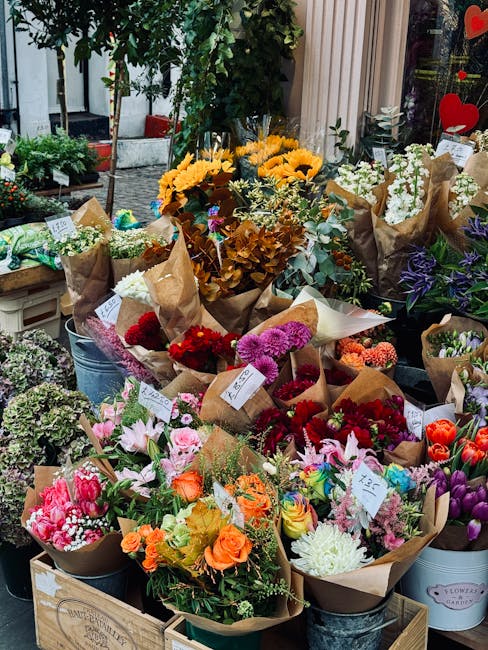
Why City of London rules for street floral displays (EC2) Matters
Street floral displays do more than decorate a frontage. In a dense area like EC2, they shape how a street feels, how people move, and whether a business looks cared for. That matters on the ground. A row of clean, well-placed planters can soften a hard streetscape, create a welcome outside a building, and make a property feel more considered. But if the display narrows the pavement or blocks sightlines, the same flowers can become a problem very quickly.
The City of London is not a suburban high street. Space is tighter, movement is busier, and there are more competing demands on the public realm. Delivery vehicles, pedestrians, wheelchair users, cyclists, maintenance teams, emergency access, and security all need to coexist. So the rules around floral displays are not really about being fussy. They are about keeping the area workable. To be fair, that is usually what most people want anyway.
There is also a brand reason to care. In EC2, a floral display is part of the visible identity of the street. It can signal quality, hospitality, and attention to detail. A crisp, well-kept arrangement outside a corporate entrance says something very different from a tired planter with soil spilling out and leaves scattered across the paving at 8:30 on a damp Tuesday morning.
For businesses, the stakes can be surprisingly practical:
- complaints from neighbouring occupiers or passers-by
- issues with accessibility or pedestrian flow
- concerns about trip hazards, wet paving, or blocked sightlines
- extra cleaning or maintenance burdens
- the need to remove or relocate items at short notice
So yes, the aesthetic matters. But compliance, access, and upkeep matter just as much. Maybe more.
How City of London rules for street floral displays (EC2) Works
At a practical level, street floral displays in EC2 usually sit somewhere between private decor and use of public space. That is the key point. If your flowers, planters, or display units are on or near the pavement, the City will care about how they affect the public realm. This normally means checking whether permission is needed, what size or placement is acceptable, and whether the display can be maintained safely.
The exact process can vary depending on the location, the type of frontage, and what is already happening on that street. A display near a wide pavement outside a quiet office might be treated differently from a planter line on a narrow route with heavy lunchtime footfall. Context matters. A lot.
In practical terms, the rules often revolve around a few recurring questions:
- Does the display obstruct pedestrian movement?
- Could it create a trip, spill, or snagging risk?
- Will it affect visibility for road users or building access?
- Is the display temporary, seasonal, or permanent in feel?
- Who is responsible for keeping it tidy and stable?
For many businesses, the safest approach is to treat the display as something that needs active management, not just a one-off purchase. A floral feature can look effortless, but behind the scenes it needs checking, watering, cleaning, and sometimes redesigning after windy weather. London weather, of course, has a talent for making a neat arrangement look mildly defeated by lunchtime.
One useful way to think about it is this: if a display would still look acceptable after a busy day, a gust of wind, and a few people brushing past it with bags, umbrellas, and coffee, it is probably on the right track.
Key Benefits and Practical Advantages
Done properly, street floral displays can support both the look and the function of a place. That may sound obvious, but the benefits go beyond "it looks nice." In EC2, where many frontages are hard-edged and highly built-up, flowers can play a real role in softening the environment and improving first impressions.
Some of the main advantages include:
- Better street presence: A thoughtful display helps a business feel open, polished, and inviting.
- Stronger local identity: Repeated, well-kept floral elements can make a frontage recognisable.
- Seasonal flexibility: Displays can be updated for spring, summer, autumn, winter, or key trading periods.
- Customer comfort: People tend to respond well to colour and natural texture in an urban setting.
- Brand alignment: Floral styling can match corporate colours, event themes, or hospitality standards.
There is also a softer advantage that gets overlooked: flowers change the rhythm of a street. A narrow EC2 pavement can feel very functional, almost brisk. Add a neat arrangement of greens and blooms, and the place suddenly feels less transactional. It sounds small. It is not small, though.
For landlords and property managers, the practical upside is often about presentation and tenant satisfaction. For businesses, the gain can be customer perception and a more welcoming threshold. For event teams, it is about making a launch, reception, or seasonal campaign feel intentional rather than improvised.
| Display approach | Best for | Typical strengths | Watch-outs |
|---|---|---|---|
| Small pavement planters | Shopfronts, cafes, receptions | Simple, flexible, easy to refresh | Can be knocked, moved, or cluttered |
| Window-facing floral feature | Buildings with limited pavement space | Lower obstruction risk, strong visual impact | Less street-level presence |
| Seasonal entrance arrangement | Corporate and hospitality settings | Good for events and brand moments | Needs frequent maintenance and timing |
| Mixed planter scheme | Larger frontages | Can create a richer streetscape | More coordination and upkeep |
Who This Is For and When It Makes Sense
This topic is relevant to anyone placing flowers or planter-style displays near the public highway in EC2. That includes business owners, facilities teams, office managers, retailers, hospitality venues, property managers, event organisers, and sometimes even resident associations or building contractors trying to make a frontage look presentable during works.
It makes sense to review the rules if you are:
- planning a new frontage display
- refreshing an existing planter arrangement
- responding to complaints about clutter or access
- launching a seasonal promotion with external decor
- coordinating a corporate entrance or reception display that extends outside
- setting up a recurring floral scheme for a commercial property
Sometimes people only think about the rules after the flowers have arrived and the van is parked outside. That is usually the moment the conversation gets more serious. Best not to do it backwards if you can help it.
If your frontage is near a busy crossing, a busier lunchtime route, or a narrow pavement, this guidance becomes even more important. Likewise if your display includes heavy pots, raised bases, decorative stands, or anything that could shift in wind or be mistaken for street furniture.
For smaller businesses, the question is often: can we do something tasteful without creating admin we do not need? The answer is usually yes, but only if the scale is right and someone owns the upkeep. A lovely arrangement that nobody waters is just expensive sadness after a week or two.
Step-by-Step Guidance
If you are approaching street floral displays in EC2 for the first time, it helps to work methodically. The process is not glamorous, but it avoids a lot of hassle later.
- Define the purpose. Is the display for branding, welcome, wayfinding, seasonal decoration, or a one-off event? A clear purpose helps you choose the right scale and style.
- Check the exact location. Measure the available space, note foot traffic patterns, and look for pinch points such as doors, kerbs, crossings, and loading access.
- Decide what type of display you need. A small planter, a pair of arrangements, or a larger coordinated floral scheme all carry different implications.
- Assess the practical risks. Think about slipping, toppling, obstruction, visibility, watering, drainage, and whether anything might be easily moved by the public.
- Review permission requirements. Depending on location and setup, you may need approval or guidance before placing items on or near the public pavement.
- Plan maintenance. Decide who will water, tidy, replace, and remove the display. Put that in writing if more than one team is involved.
- Choose durable materials. Weather-resistant planters, stable bases, and clean edging usually perform better than lightweight decorative pieces.
- Schedule review points. A display should be checked after installation, after the first busy day, and after bad weather. Small corrections early save bigger problems later.
A simple rule helps here: if your team cannot confidently explain who is responsible for the display on a wet Thursday afternoon, the setup is not ready yet. That sounds blunt. It is blunt. But it saves trouble.
One more thing. Consider access from the start, not as an afterthought. If someone using a buggy, mobility aid, cane, or large bag has to divert awkwardly around the display, it is probably too ambitious for the space.
Expert Tips for Better Results
The best street floral displays in EC2 feel calm, not crowded. They look intentional from several angles and still work when viewed up close. Here are a few practical habits that make a real difference.
- Keep the footprint modest: Narrower displays often age better than oversized ones in tight urban spaces.
- Use repetition carefully: Repeating one or two shapes can look elegant; too much variety can look messy.
- Choose robust flowers and foliage: In exposed areas, sturdier stems usually hold up better than delicate blooms.
- Build for maintenance, not just launch day: The first day is easy. Week three tells the truth.
- Match the display to the street: A calm, restrained scheme often suits EC2 better than something overly fussy.
One practical observation from day-to-day work: the most successful displays are rarely the most expensive. They are the ones that respect the space. A neat line of coordinated planters can look more refined than a dramatic display that keeps drifting into the path of pedestrians.
Also, think about the weather and the season. Early summer arrangements can feel fresh and bright in the morning, but by late afternoon they may need water and a quick tidy. Winter displays need a different mindset entirely; shape, structure, and stability matter more when the light is low and everything is damp for hours at a time.
If you are managing a corporate frontage, it can help to align floral colours with brand assets without forcing the issue. Subtle is usually better. A display should support the building, not shout over it.
Common Mistakes to Avoid
Most problems with street floral displays are avoidable. The frustrating part is that they are often simple problems, not complicated ones.
- Ignoring the width of the pavement: A display that looks fine in a warehouse or foyer may be too large outside.
- Using unstable containers: Lightweight pots can move, wobble, or tip more easily than expected.
- Forgetting maintenance: Dry flowers, overflowing water trays, and fallen petals quickly reduce the quality of the street scene.
- Blocking doors, signs, or visibility: Even partial obstruction can create friction with neighbours or enforcement teams.
- Over-decorating: Too many items can look like clutter rather than a floral display.
- Assuming permission is automatic: Public-facing space often involves more control than people assume.
- Leaving a single person in charge without backup: Holidays happen. So do sick days. Nature does not care.
There is a subtle mistake that catches people out as well: treating the display as finished once it is installed. It is not finished. It is just started. Flowers change, weather changes, foot traffic changes, and a display that looked lovely on Monday can look tired by Friday if nobody is watching it.
Another easy-to-miss issue is drainage. Water dripping onto paving may seem harmless until it creates a patch that stays slick all day. In a busy urban environment, that matters. A lot.
Tools, Resources and Recommendations
You do not need a huge toolkit to manage a good display, but a few sensible items make life much easier. If you are responsible for a public-facing floral scheme in EC2, think in terms of upkeep and clarity, not just styling.
- Measuring tape: Useful for confirming the usable width of a frontage before any purchase is made.
- Simple site photo log: Photograph the display after setup and after maintenance checks so you can track changes.
- Maintenance schedule: A written rota helps everyone know when watering, sweeping, and replacement checks happen.
- Stable planters or containers: Heavier, well-balanced bases are often better for exposed streets.
- Weather-aware flower choice: Select varieties that can handle mixed conditions rather than relying on fragile blooms alone.
- Spare stock or refresh plan: Keep a contingency for damaged stems, fading flowers, or broken containers.
If you need flowers for a business-facing display, you may also want to think about the wider presentation, not just the stand-alone arrangement. For example, a more restrained colour palette can help a frontage feel cleaner and more premium. If you are looking at recurring seasonal changes or a wider corporate look, browsing the full flowers collection can help you plan combinations that suit the street rather than overwhelm it.
For ongoing freshness, it can also be useful to consider how flowers will be cared for once they are in place. A practical guide like flower care advice is valuable when the display is meant to last more than a day or two, especially in a busy environment where attention is split in a dozen directions.
If you are arranging flowers for multiple sites, or for a business that wants a more consistent look across different entrances and events, corporate account support may be the most straightforward route. It is not always about quantity. Sometimes it is just about making repeat orders feel less clunky. Nobody enjoys retyping the same details every month, let's face it.
Law, Compliance, Standards, or Best Practice
Street floral displays in the City of London sit within a broader framework of public safety, accessibility, and responsible use of space. The exact permission route can depend on the frontage, the type of display, and the local setting, so it is wise to seek up-to-date guidance before installing anything that will sit on or near public land.
From a best-practice point of view, the following principles usually matter most:
- Keep public access clear: People should be able to pass comfortably without weaving around obstacles.
- Avoid creating hazards: Wet surfaces, unstable planters, loose materials, and trailing decorations can all become issues.
- Respect neighbouring uses: Delivery areas, entrances, emergency routes, and nearby businesses should not be disrupted.
- Maintain a tidy finish: Faded flowers, broken containers, and loose soil make a display feel unmanaged.
- Use sensible proportions: The display should suit the street and the frontage, not dominate them.
Where a display is likely to interact with the public highway, responsibility matters. If you place something out, you should know who owns it, who checks it, and who removes it if there is a problem. That is the basic standard of care people expect in a place like EC2.
It is also worth remembering that public-facing streets have to work for many kinds of users. A display that is fine for a quick visual scan may not be fine for someone navigating with reduced mobility, a guide dog, a pram, or simply a packed lunch and a phone in the other hand. Small details matter. This is where thoughtful design earns its keep.
If you are unsure whether your display crosses the line from decorative to obstructive, it is safer to slow down and check before installation. A quick pause now can save a removal request later. Not glamorous, but very sensible.
Options, Methods, or Comparison Table
Different streets and businesses need different approaches. A single "best" option does not really exist. What works for a luxury foyer with a small outside threshold may not work for a busy pavement in the heart of EC2.
| Method | Pros | Cons | Best use case |
|---|---|---|---|
| Standalone planters | Simple, adaptable, visually clear | Can occupy space and need heavy bases | Small frontages or short-term displays |
| Window-led floral presentation | Low obstruction risk, easy to maintain | Less impact at pavement level | Buildings with limited external space |
| Seasonal coordinated frontage | Strong brand impact, polished look | Requires planning and regular review | Corporate, hospitality, or event-led settings |
| Mixed planting scheme | Richer look, can feel more premium | More maintenance and greater risk of clutter | Larger properties with managed access |
If you are deciding between simplicity and impact, simplicity usually wins in tighter EC2 locations. That may sound dull. But dull is often what keeps a display lawful, tidy, and pleasant for everyone else on the street.
Case Study or Real-World Example
Consider a typical EC2 office building with a small reception frontage, a narrow pavement, and regular lunchtime foot traffic. The building team wants to make the entrance feel less severe, especially during spring and early summer. The instinct is to place a long planter line outside the doors, with mixed blooms and decorative stones. Looks lovely in the render, obviously.
On inspection, a few issues appear. The walkway is tighter than expected once people queue near the entrance. Deliveries pass at set times. One of the proposed planters sits close to where pedestrians naturally turn. There is also concern that the arrangement would need watering several times a week, which is awkward for the current team.
The revised approach is simpler. The team reduces the number of containers, switches to more stable planters, uses a calmer colour palette, and keeps the external element focused near the frontage rather than across the full width of the pavement edge. They also assign a twice-weekly check and a quick daily visual review.
The result is not dramatic. That is the point. The display now complements the building without crowding the street, and it is far less likely to cause friction. Sometimes the best outcome is the one that barely draws attention for the wrong reasons. It just works.
This kind of practical adjustment is common. The first concept may be bold. The final version is usually more restrained, more durable, and more suitable for a City street. And honestly, that is usually the better look anyway.
Practical Checklist
Use this before installing or refreshing a floral display in EC2.
- Confirm the exact location and available width
- Check whether the display will sit on or near public pavement
- Assess access for pedestrians, wheelchairs, pushchairs, and deliveries
- Choose containers that are stable and weather-resistant
- Keep the design proportionate to the frontage
- Plan watering, cleaning, and replacement responsibilities
- Make sure nothing blocks doors, signage, or sightlines
- Review how the display will look after rain, wind, and peak footfall
- Set a schedule for inspection and tidying
- Keep a record of decisions, contacts, and maintenance actions
Expert summary: the best street floral displays in the City of London are the ones that feel graceful but disciplined. They respect the street, support the business, and stay manageable after the first day of excitement has passed. That balance is the whole game.
If you are ready to plan a more polished frontage or need help choosing the right floral style for a busy EC2 setting, take the next step with a supplier that understands both presentation and practicality.
Get a free quote today and see how much you can save.
Conclusion
City of London rules for street floral displays (EC2) are really about balance: beauty and access, branding and safety, atmosphere and responsibility. If you get that balance right, flowers can do a lot of heavy lifting for a business or building. They can make a frontage feel warmer, more credible, and more memorable without getting in the way.
The safest path is usually the simplest one: assess the space properly, keep the design proportionate, build in maintenance, and treat the street as shared space rather than a blank canvas. That mindset goes a long way in EC2.
And to be honest, when a display is done well, people notice it in the nicest possible way. They may not say why. They just feel the place has been looked after. That counts for a lot in the City.
A calm, well-kept floral display can make a hard urban edge feel just a little more human. That is worth doing properly.
Frequently Asked Questions
Do I need permission for street floral displays in the City of London EC2?
Often, yes, especially if the display is placed on or near the public pavement. The need for permission depends on the exact location, size, and how the display affects access and safety. It is best to check before installation rather than after.
What counts as a street floral display?
It can include planters, flower arrangements, decorative containers, seasonal planting schemes, and other floral features visible from the street. If it sits in or beside a public walking route, it should be treated carefully.
Can I put planters outside my shop in EC2?
Sometimes, but the planters must not create obstruction or hazard. Space, footfall, and access all matter. A small planter may be fine in one location and unsuitable in another a few doors away.
What is the biggest risk with floral displays on the street?
The biggest risk is usually obstruction or instability. If a display narrows the path, hides visibility, or tips in wind, it can become a problem quickly. Maintenance is a close second.
How often should a floral display be checked?
For a public-facing display, regular checks are sensible, especially after bad weather, busy periods, or watering. In practice, many businesses use a daily visual check and a fuller weekly review.
Are temporary floral displays treated differently from permanent ones?
Usually, yes. Temporary displays for events or seasonal promotions may be easier to manage, but they still need to respect access and safety rules. Temporary does not mean exempt from responsibility.
What flowers work best for busy EC2 streets?
Robust varieties and foliage tend to work better than delicate stems in exposed or high-traffic locations. The best choice depends on season, shelter, and how much maintenance the team can realistically manage.
How do I keep a display from looking cluttered?
Keep the footprint modest, limit the number of different materials, and use repetition rather than too many competing shapes. In narrow urban streets, restraint usually looks more premium.
Can floral displays affect accessibility?
Yes. If they reduce usable pavement width or create awkward navigation, they can affect people using mobility aids, pushchairs, or simply walking with bags and umbrellas. Accessibility should be part of the design from the start.
What should I do if neighbours complain about the display?
Review the layout quickly and check whether the complaint is about obstruction, maintenance, appearance, or access. Small adjustments often solve the issue. If the display is not practical for the space, it may need to be reduced.
Is it better to use flowers or planters for street displays?
Planters often give more structure and are easier to control in a public setting, while flowers give more softness and visual appeal. Many businesses use both. The best choice depends on the available space and maintenance capacity.
How can a business make a floral display feel more premium?
Use a restrained colour palette, good-quality containers, and a display size that suits the frontage. A premium look is usually about neatness and proportion, not just spending more. Strange, but true.
Where should I start if I want a compliant floral display in EC2?
Start with the space itself. Measure it, observe foot traffic, and think through maintenance before ordering anything. Then check the local requirements and choose a design that respects access, visibility, and day-to-day use.